
Charming Antique Decor Ideas for Your Kitchen
If you are comparing options here, Creative Counter Decor Ideas to Elevate Your Kitchen is a relevant choice worth checking Check price counter decor ideas
Incorporating antique kitchen decor ideas can infuse your space with character, history, and warmth. However, the line between charmingly vintage and cluttered can be thin. This guide provides a pragmatic approach to selecting and integrating antique elements, focusing on functionality and aesthetic cohesion.
To truly bring antique charm into your kitchen, consider incorporating some unique counter decor. These pieces can add personality without sacrificing functionality Shop now charming counter decor
Defining “Antique” in Kitchen Decor
For this context, “antique” generally refers to items over 100 years old, though many decorators use the term more broadly for pieces with a distinct vintage feel (e.g., 50-80 years old). The key is that these items possess a patina of age and a design sensibility distinct from modern mass production. Authenticity is often valued, but a well-chosen reproduction can serve a similar aesthetic purpose without the potential fragility or higher cost of genuine antiques.
Evaluating Antique Kitchen Decor Ideas: A Decision Criterion
The primary decision criterion for integrating antique decor is functional integration versus purely decorative intent.
- Functional Integration: Prioritizes items that serve a practical purpose in the kitchen, such as antique cookware, sturdy wooden cutting boards, or a vintage-style sink. This approach minimizes clutter and ensures the antique pieces contribute to the kitchen’s workflow.
- Constraint: Limited space, high-traffic areas, or a need for easy cleaning.
- Recommendation: Focus on durable, easily maintained items like enamelware, cast iron, or period-appropriate hardware.
- Purely Decorative Intent: Focuses on items that enhance the visual appeal without being actively used in daily cooking. This could include antique art, decorative pottery, or antique textiles.
- Constraint: Ample counter space, desire for unique focal points, or a less hands-on cooking style.
- Recommendation: Curate a few impactful pieces like a vintage sign, a collection of antique tins, or a display of old botanical prints.
Practical Application of Antique Kitchen Decor Ideas
If you’re looking to add a pop of color and vintage flair, exploring yellow kitchen ideas can be a delightful way to integrate antique accents.

- 10 piece pack
- approx ~ 1 square feet
If you are comparing options here, Sweet Vintage Nursery Decorating Ideas is a relevant choice worth checking.
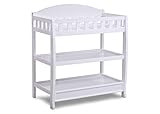
- Strong and sturdy wood construction
- Includes water resistant changing pad with safety strap
- Includes two fixed shelves for open storage
- Safety rails enclose all four sides around the top of the table
- Non toxic finish tested for lead and other toxic elements to meet or exceed government and ASTM safety standards; Made of solid wood and wood composites; Easy Assembly.This item is eligible for free replacement parts. Contact Amazon Customer Service for more information
Integrating Vintage Functionality
When selecting functional antique kitchen decor ideas, prioritize items that can withstand modern use.
While this guide focuses on the kitchen, the principle of finding unique, character-filled pieces applies elsewhere too. For instance, if you’re redecorating your bedroom, exploring antique-inspired headboard ideas can offer a similar sense of timeless style.

- Harlow is a modern, adjustable, wall-mount headboard with vintage brown faux leather PU designed for full or queen size beds.
- The queen headboard includes two light-weight panels that you can lean on for the perfect bedroom decor.
- Harlow, designed as a leather headboard, can also hang behind a bench or a set of stools in your dining or entryway to add softness and style.
- This modern headboard is the perfect statement piece for your bedroom.
- The Harlow wall-mount headboard has an easy 30-minute assembly.
- Cookware and Utensils: Vintage cast iron skillets, copper pots, or enamelware baking dishes add both aesthetic appeal and cooking utility. Ensure they are in good condition, free from significant rust or damage.
- Actionable Step: Inspect cast iron for rust and re-season if necessary. For enamelware, check for chips that could leach into food.
- Common Mistake to Avoid: Using heavily damaged or lead-glazed pottery for food preparation.
- Storage Solutions: Antique apothecary jars, biscuit tins, or wooden crates can stylishly store dry goods, utensils, or linens.
- Actionable Step: Clean thoroughly with mild soap and water; avoid harsh chemicals that could damage finishes or leave residues.
- Common Mistake to Avoid: Storing items in containers that are not food-safe or are difficult to clean, leading to potential contamination.
- Hardware and Fixtures: Replacing modern cabinet pulls with antique brass or ceramic knobs, or installing a vintage-style apron sink, can dramatically alter the kitchen’s character.
- Actionable Step: Measure existing hardware dimensions to ensure a proper fit before purchasing.
- Common Mistake to Avoid: Forgetting to check the mounting hole spacing for cabinet hardware, which can lead to difficult installations or the need for additional drilling.
Curating Decorative Antique Accents
For decorative pieces, focus on impact and cohesive styling.
- Wall Art and Signage: Vintage advertisements, botanical prints, or antique maps can create a focal point. Consider framing them under glass to protect them.
- Actionable Step: Group smaller prints together in a gallery wall arrangement for a stronger visual statement.
- Common Mistake to Avoid: Overcrowding walls with too many small, disparate items, which can appear chaotic.
- Textiles and Linens: Antique tea towels, tablecloths, or even vintage flour sacks (cleaned and repurposed) can add texture and color.
- Actionable Step: Launder vintage textiles with a gentle detergent and air dry to preserve their integrity.
- Common Mistake to Avoid: Using delicate antique linens in high-spill areas where they are prone to staining and damage.
- Ceramics and Glassware: Displaying antique pottery, pitchers, or colored glass bottles on open shelving or in a china cabinet adds visual interest.
- Actionable Step: Arrange items by color or size to create a pleasing visual flow.
- Common Mistake to Avoid: Placing valuable or fragile items in easily accessible locations where they risk being knocked over.
Common Myths About Antique Kitchen Decor
Myth 1: All Antique Kitchen Items Are Fragile and Impractical for Daily Use.
Correction: While some antique items are delicate, many were built for durability. Cast iron cookware, sturdy wooden tools, and robust ceramic crocks were designed for heavy use and can often outperform modern equivalents with proper care. The key is to select items appropriate for their intended function.
Myth 2: Antique Decor Necessarily Means a High Cost and Extensive Sourcing Effort.
Correction: While rare antiques can be expensive, many vintage items are readily available at reasonable prices from flea markets, antique malls, and online marketplaces. Often, the most charming pieces are found through patient searching rather than immediate, high-cost purchases. The perceived effort can also be reduced by focusing on specific types of items.
Expert Tips for Curating Antique Kitchen Decor
BLOCKQUOTE_0
- Tip 1: Focus on a Unified Color Palette.
- Actionable Step: Select antique items that share a common color thread, even if they are different materials. For example, collecting blue and white transferware, cream-colored enamelware, and brass accents can tie disparate pieces together.
- Common Mistake to Avoid: Mixing too many clashing colors and patterns, which can make the kitchen feel visually noisy and disorganized.
- Tip 2: Balance Old with New.
- Actionable Step: Integrate antique pieces alongside modern appliances and cabinetry. This contrast highlights the unique charm of the antiques and prevents the kitchen from feeling like a museum exhibit.
- Common Mistake to Avoid: Attempting to make an entire kitchen solely from antique elements, which can compromise modern functionality and create a dated, unlivable space.
- Tip 3: Consider Scale and Proportion.
- Actionable Step: Ensure antique decorative items are appropriately sized for their placement. A massive antique sign might overwhelm a small kitchen, while tiny trinkets can get lost on a large island.
- Common Mistake to Avoid: Placing oversized antique items in small spaces or conversely, scattering numerous small antique items across a large expanse, diminishing their impact.
Antique Kitchen Decor Ideas: A Comparative Table
| Item Category | Example Antique Piece | Primary Benefit | Potential Pitfall | Sourcing Difficulty (Estimated) |
|---|---|---|---|---|
| Cookware | Cast Iron Skillet | Durability, even heating, classic aesthetic | Requires seasoning, potential rust if not maintained | Moderate |
| Storage | Vintage Biscuit Tins | Charming display, practical dry goods storage | May not be food-grade, potential dents/scratches | Easy |
| Decorative Accents | Antique Botanical Prints | Visual interest, adds a touch of nature | Requires framing, can be fragile | Moderate |
| Textiles | Linen Tea Towels | Texture, color, authentic vintage feel | Prone to staining, requires gentle washing | Easy |
| Hardware | Ceramic Cabinet Knobs | Instant character update, tactile appeal | May require drilling new holes if size differs | Moderate |
Frequently Asked Questions
Q1: How do I clean antique kitchen items safely?
A1: For most items, use mild soap and warm water. For metal, assess rust and use appropriate cleaners (e.g., fine steel wool for cast iron). For ceramics and glass, avoid abrasive scrubbers. Always test cleaning methods on an inconspicuous area first. For textiles, handwashing with gentle detergent is often best.
Q2: Where can I find authentic antique kitchen decor?
A2: Reliable sources include antique malls, reputable online antique dealers (e.g., Ruby Lane, Etsy with careful seller vetting), estate sales, and local flea markets. Look for sellers who provide detailed descriptions and clear photographs.
Q3: Is it safe to use antique cookware for everyday cooking?
A3: It can be, provided the cookware is in good condition and made of safe materials. Cast iron, well-maintained copper, and sturdy enamelware (without chips) are generally safe. Avoid anything with lead glaze or significant damage that could leach into food. Always verify material and condition.