
Stunning Fireplace Backdrop Ideas for a Focal Point
Evaluating Fireplace Backdrop Ideas: A Contrarian Approach
When considering fireplace backdrop ideas, it is essential to critically assess options beyond immediate aesthetic appeal. Many homeowners overlook crucial factors like maintenance, long-term durability, and compatibility with heat, leading to potential regrets.
For a dramatic and modern look, consider black stone fireplace ideas. This material offers excellent heat resistance and a sophisticated aesthetic that can truly anchor your room.

- Durable product
- This product meets the customer requirements
- Manufactured in United States
A common failure mode is the “illusory durability trap.” This occurs when a material is chosen for its perceived robustness, such as certain natural stones or concrete, without fully understanding its specific performance under thermal stress or its susceptibility to staining from soot and smoke. For example, while granite is durable, some types can be more porous than others, requiring diligent sealing to prevent permanent discoloration from fireplace emissions.
Detection: Identify claims of universal durability without specific material context. If a proposed material’s porosity, heat-transfer properties, or cleaning requirements are not clearly detailed and verified against manufacturer specifications, proceed with caution. Always seek documentation on fire-resistance ratings and recommended maintenance for materials intended for proximity to a heat source.
Key Decision Criteria for Your Fireplace Backdrop
Before exploring specific materials, evaluate these critical factors:
- Heat Resistance: This is non-negotiable. Materials directly adjacent to or above the firebox must be non-combustible and capable of withstanding extreme temperature fluctuations. Confirm manufacturer ratings and certifications.
- Maintenance Requirements: Determine your tolerance for cleaning and upkeep. Some materials demand specialized cleaning agents or regular sealing, impacting long-term effort.
- Durability and Longevity: Assess the material’s resistance to chipping, cracking, fading, and staining under typical fireplace use.
- Aesthetic Integration: Ensure the backdrop complements your room’s existing color palette, furniture, and overall design style, paying attention to scale and proportion.
- Budgetary Constraints: Factor in the cost of materials, professional installation, and any necessary structural modifications.
Popular Fireplace Backdrop Ideas and Their Counterpoints
When planning your fireplace backdrop, don’t forget to consider the mantel surround. Exploring various mantel surround ideas can help you tie the entire fireplace design together seamlessly.
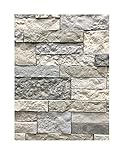
- This carton contains Primary Wall Stones (8 square feet), which are the basic wall covering unit
- No UGLY seems! AirStone is individual pieces, not panels for a natural appearance.
- Stones fit precisely together so that the supporting wall is unseen
- For interior and exterior application
- Each box contains multiple individual AirStone pieces. Installation requires cutting pieces to fit wall dimensions. Minor breakage of individual pieces during shipping does not require return of the full box and may be resolved through replacement pieces or a partial refund rather than a full return
The spectrum of fireplace backdrop ideas is broad, but each option presents potential trade-offs.
Natural Stone: Timeless Appeal, Practical Ponderings
Materials like marble, granite, slate, and travertine offer a luxurious, natural aesthetic and are generally heat-resistant.
- Pros: High heat resistance, unique natural patterns, can increase property value.
- Cons: Can be costly, heavy requiring structural support, porous varieties may stain if not properly sealed, and some stones are susceptible to cracking from thermal shock.
- Counterpoint: While marble is elegant, its softness and porosity make it prone to etching and staining. Denser, less porous granites or honed finishes offer greater resilience in high-heat, high-traffic zones.
Tile: Versatility with a Structural Caveat
Ceramic and porcelain tiles provide extensive design flexibility in terms of color, pattern, and finish. They are typically easy to clean and heat-resistant when installed correctly.
- Pros: Wide design options, relatively easy maintenance, good heat resistance.
- Cons: Grout lines can be challenging to keep clean and may discolor. Improper installation can lead to cracking or loosening due to thermal expansion and contraction.
- Counterpoint: Large-format tiles minimize grout, reducing cleaning effort. However, a stable substrate and the correct high-temperature adhesive and grout are crucial. A poorly installed tile backdrop can compromise structural integrity.
Wood and Wood-Look Materials: Aesthetic Risks
Natural wood is generally not recommended for direct installation near a heat source due to flammability. However, advanced materials offer alternatives.
- Pros: Offers a warm, inviting visual appeal.
- Cons: Natural wood poses a significant fire hazard and requires substantial clearance from heat sources.
- Counterpoint: Engineered wood veneers or high-definition porcelain tiles designed to mimic wood grain can achieve the desired aesthetic without the fire risk. Always confirm these materials are rated for proximity to heat and follow manufacturer installation guidelines precisely.
Metal: Modern Edge, Thermal Considerations
While not for the immediate backdrop, if you’re looking to add a functional and decorative element to an adjacent wall, consider some do it yourself bulletin board ideas for displaying art or notes Get DIY board inspiration do it yourself bulletin board ideas
Metals such as stainless steel, copper, or blackened steel can lend a sleek, contemporary look. They are non-combustible and can withstand high temperatures.
- Pros: Modern aesthetic, non-combustible, durable.
- Cons: Prone to fingerprints and smudges, may develop a patina, and installation can be complex.
- Counterpoint: Highly polished metals can create distracting glare. Brushed or matte finishes provide a sophisticated sheen while mitigating excessive reflection. Ensure adequate metal gauge to prevent warping.
BLOCKQUOTE_0
Expert Tips for Designing Your Fireplace Backdrop
To effectively navigate fireplace backdrop design, consider these expert-level recommendations:
1. Prioritize Non-Combustible Materials for Direct Proximity:
- Actionable Step: Always select materials explicitly rated as non-combustible for any surface within 12-18 inches of the firebox opening, or as specified by your fireplace manufacturer’s manual. This includes materials directly above the firebox.
- Common Mistake to Avoid: Assuming all “stone-look” or “tile” products are inherently safe for direct heat exposure. Always check the UL listing or manufacturer’s fire-rating documentation.
2. Consider Thermal Expansion and Contraction:
- Actionable Step: When installing large panels or tiles, ensure adequate expansion gaps are left at the edges and that the substrate is robust enough to handle repeated cycles of expansion and contraction without cracking or loosening.
- Common Mistake to Avoid: Sealing materials too tightly against surrounding structures without accounting for movement. This can lead to stress fractures in the backdrop or surrounding walls.
3. Factor in Cleaning and Soot Management:
- Actionable Step: Choose materials with a smooth, non-porous surface that can be easily wiped down. Consider the color; lighter colors may show soot more readily than darker, textured finishes.
- Common Mistake to Avoid: Opting for highly textured or porous materials that trap soot and creosote, making them difficult to clean and potentially diminishing their appearance over time.
Common Myths About Fireplace Backdrops
Let’s address some prevalent misconceptions that can lead to design missteps:
- Myth 1: “Any tile is safe to use around a fireplace.”
- Correction: This is false. While many tiles are heat-resistant, not all are designed for the direct heat and thermal cycling of a fireplace. Ceramic tiles, especially those with a lower firing temperature, can crack or spall (chip off in fragments) under intense heat. Always select tiles specifically rated for fireplace applications, often found in specialized tiling showrooms or specified by fireplace installers. Verify the tile’s PEI rating (Porcelain Enamel Institute) and its suitability for high-heat areas.
- Myth 2: “Wood paneling can be safely installed near a fireplace if it’s treated with fire retardant.”
- Correction: While fire-retardant treatments can increase a material’s resistance to ignition, they do not make flammable materials non-combustible. Building codes strictly regulate the proximity of combustible materials to heat sources to prevent fires. For safety, natural wood should generally be kept at a significant distance from the firebox opening, or entirely avoided in direct proximity. Engineered solutions or fire-rated alternatives are the only safe way to achieve a wood aesthetic near a fireplace.
Material Comparison for Fireplace Backdrops
| Material Type | Heat Resistance (Rating) | Maintenance Level | Typical Cost (per sq ft, installed) | Durability Concerns |
|---|---|---|---|---|
| Natural Stone | Excellent | Moderate to High | $75 – $250+ | Porosity (staining), weight, cracking (thermal shock) |
| Porcelain Tile | Excellent | Low to Moderate | $50 – $150 | Grout maintenance, potential for cracking if poorly installed |
| Glass Tile | Good to Excellent | Low | $60 – $200+ | Can be fragile, thermal shock can cause breakage |
| Metal (Steel/Brass) | Excellent | Low | $100 – $300+ | Fingerprints, potential for scratching, patina development |
| Engineered Stone | Excellent | Low | $70 – $200 | Similar to natural stone but often less porous |
Note: Costs are approximate and can vary significantly based on specific product, location, and installer.
Frequently Asked Questions About Fireplace Backdrops
Q1: What is the safest material for a fireplace backdrop?
A1: Non-combustible materials like natural stone (granite, slate), porcelain tile, and metal are generally considered the safest for direct proximity to a heat source. Always verify manufacturer specifications for fire ratings.
Thinking beyond the fireplace itself, if you’re considering a larger renovation that includes outdoor spaces, exploring courtyard paving ideas can complement your home’s overall aesthetic See paving solutions courtyard paving ideas
Q2: Can I install wallpaper behind my fireplace?
A2: It is strongly advised against installing traditional wallpaper directly behind or above a fireplace due to its flammability and susceptibility to heat damage. Some specialized, fire-rated wall coverings might be available, but they are rare and require strict adherence to installation guidelines.
Q3: How far should combustible materials be kept from a fireplace?
A3: Building codes vary, but a common guideline is to keep combustible materials at least 12-18 inches away from the firebox opening. Always consult your local building codes and the fireplace manufacturer’s installation manual for precise clearance requirements.