
Sweet Vintage Nursery Decorating Ideas
Creating a vintage nursery offers a charming and nostalgic atmosphere. However, it’s crucial to balance aesthetic appeal with the absolute necessities of safety and functionality. The allure of timeless pieces can sometimes overshadow practical requirements, leading to a nursery that looks beautiful but falls short in its primary purpose. This guide offers a contrarian perspective to help you achieve a safe, functional, and aesthetically pleasing vintage nursery.
Contrarian Insights on Vintage Nursery Decor Ideas
The concept of “vintage” in nursery design often conjures images of delicate lace, antique wood, and sepia-toned photographs. While these elements can contribute to a warm ambiance, a critical perspective is essential. The core function of a nursery is to provide a secure, nurturing, and stimulating environment for an infant. When adopting vintage nursery decor ideas, this fundamental principle must guide every decision.
When incorporating vintage nursery decor ideas, it’s essential to remember that the primary function of a nursery is to provide a safe and nurturing environment for an infant. This fundamental principle must guide every decision, ensuring charm doesn’t compromise safety.
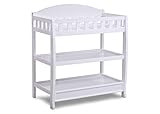
- Strong and sturdy wood construction
- Includes water resistant changing pad with safety strap
- Includes two fixed shelves for open storage
- Safety rails enclose all four sides around the top of the table
- Non toxic finish tested for lead and other toxic elements to meet or exceed government and ASTM safety standards; Made of solid wood and wood composites; Easy Assembly.This item is eligible for free replacement parts. Contact Amazon Customer Service for more information
The Primary Failure Mode: Prioritizing Aesthetics Over Safety and Function
A common pitfall when implementing vintage nursery decor ideas is the tendency to select items based solely on their visual appeal, neglecting critical safety and practical considerations. This can lead to a space that is charming but ultimately compromised.
- Compromised Safety Standards: Antique cribs, for instance, often predate modern safety regulations regarding slat spacing, mattress support, and side-rail height. Using such items poses a significant risk.
- Material Hazards: Older furniture may contain lead paint, a serious health concern for young children. Additionally, certain vintage fabrics might be difficult to clean, harbor allergens, or not meet current fire-retardant standards.
- Operational Inefficiencies: While aesthetically pleasing, vintage changing tables might lack the stability or surface area needed for safe diaper changes. Similarly, antique dressers might have sticky drawers or sharp hardware.
Early Detection Strategy: After initial setup, observe the nursery’s daily use for a week. Does changing a diaper feel precarious? Are there surfaces you hesitate to let your baby touch? Does furniture feel unstable? If these concerns arise, it indicates an aesthetic-driven failure that needs immediate correction to prioritize safety.
Principles for Curating Effective Vintage Nursery Decor Ideas
Successful vintage nursery decor is not about replicating a past era wholesale but about thoughtfully integrating elements that evoke nostalgia while adhering to contemporary standards.
Safety and Material Integrity
The most critical aspect of any nursery design is safety. When incorporating vintage elements, this requires diligent inspection and, at times, refurbishment.
- Furniture Compliance: For cribs and beds, always prioritize items manufactured after June 2011 to ensure they meet current U.S. Consumer Product Safety Commission (CPSC) standards. Vintage-inspired new cribs are a safer alternative to actual antiques.
- Lead Paint and Finishes: Any painted vintage furniture intended for the nursery must be tested for lead paint. If lead is detected, the piece should be professionally stripped and refinished with non-toxic, baby-safe paints.
- Textile Selection: Opt for natural, washable fabrics for bedding, curtains, and upholstery. Ensure these materials are free from allergens and treated appropriately for fire safety if required by local building codes.
Color Palette and Atmosphere Creation
A vintage nursery often aims for a serene, timeless, and comforting ambiance. This can be achieved through strategic use of color and texture.
- Soothing Hues: Muted pastels, creams, and earthy tones like sage green, dusty rose, or soft blues and yellows contribute to a tranquil environment.
- Strategic Accents: Introduce deeper, richer colors sparingly through framed artwork, rugs, or small decorative objects to add dimension without overwhelming the senses.
- Tactile Layering: Combine various textures—such as chunky knit blankets, soft cottons, and smooth wooden elements—to create a warm, inviting, and sensory-rich space.
Expert Tips for Implementing Vintage Nursery Decor Ideas
To navigate the complexities of vintage nursery design and ensure a safe, functional, and beautiful space, consider these expert recommendations.
- Tip 1: Curate with a “Focal Point” Strategy
- Actionable Step: Select one or two truly special vintage items with significant sentimental value or unique character. Use these as primary focal points and build the room’s design around them, incorporating new, complementary pieces.
- Common Mistake to Avoid: Overloading the nursery with too many vintage items, which can create visual clutter and detract from the intended charm, making the space feel busy rather than cozy.
When curating your vintage nursery, think about practical storage solutions. Even small details like coat hanger ideas can add to the overall charm and functionality of the space Find coat hanger ideas coat hanger ideas
- Tip 2: Prioritize Functionality in Vintage Furniture Selections
- Actionable Step: When considering vintage dressers or storage units, ensure they are structurally sound and can be retrofitted with modern safety features, such as anti-tip hardware. Check that drawers operate smoothly.
- Common Mistake to Avoid: Purchasing antique cribs or changing tables that do not meet current safety standards, even if they possess undeniable aesthetic appeal. Always verify compliance with current regulations.
- Tip 3: Integrate New with Vintage for a Balanced Environment
- Actionable Step: Pair carefully selected vintage accents with modern, essential nursery items like a certified safe crib, a comfortable and easy-to-clean glider, or a practical changing pad. This blend ensures both style and optimal functionality.
- Common Mistake to Avoid: Attempting to source every single item as an antique, which can lead to a disjointed aesthetic and potentially compromise the safety and practicality of the nursery.
BLOCKQUOTE_0
Common Myths About Vintage Nursery Decor
Dispelling common misconceptions can help in creating a vintage nursery that is both charming and practical.
- Myth 1: All vintage furniture is inherently unsafe for nurseries.
- Correction: While certain antique items, particularly cribs, may not meet current safety standards, many vintage pieces can be made safe with careful inspection and minor modifications. For example, a sturdy antique dresser can be made safe by securing it to the wall with anti-tip brackets and ensuring all finishes are lead-free. The key is diligent assessment and adherence to modern safety guidelines.
- Myth 2: Vintage decor is always more expensive than new items.
- Correction: The cost of vintage items varies greatly. While rare antiques can command high prices, many charming vintage pieces can be found affordably at flea markets, thrift stores, or online marketplaces. A few well-chosen vintage accents can often elevate a nursery’s aesthetic more effectively and economically than purchasing trendy, mass-produced items.
Table: Vintage Nursery Decor Item Sourcing and Considerations
| Item Type | Sourcing Options | Key Vintage Considerations | Modern Safety/Practicality Notes |
|---|---|---|---|
| Cribs/Beds | Reputable antique dealers, estate sales | CRITICAL: Must meet current ASTM/JPMA safety standards (manufactured after June 2011). Avoid drop-side cribs. | Prioritize new, compliant cribs. If considering a vintage-inspired new crib, verify all certifications. |
| Dressers/Storage | Flea markets, antique shops, online auctions | Sturdy construction, smooth-gliding drawers. Check for lead paint on older finishes. | Must be secured to the wall with anti-tip hardware. Ensure drawers are deep enough for baby clothes and easy to access. |
| Decorative Accents | Thrift stores, vintage fairs, family heirlooms | Unique character, sentimental value. Look for items made from natural materials like wood or metal. | Ensure items are free from small, detachable parts that could be choking hazards. Avoid items with peeling paint or sharp edges. |
| Textiles (Rugs, Curtains) | Vintage textile dealers, antique markets | Natural fibers (wool, cotton), classic patterns. Check for moth damage or excessive wear. | Must be washable and durable. Consider flame-retardant treatments if required. Ensure rugs have non-slip backing. |
Frequently Asked Questions
- Q: What are the safest types of vintage furniture to include in a nursery?
A: Dressers, bookshelves, and armoires that can be securely anchored to the wall are generally safer vintage choices than cribs or changing tables, provided they are structurally sound and free of lead paint.
For larger pieces like armoires, ensuring they are securely anchored to the wall is paramount. If you’re considering a vintage armoire, exploring safe and non-toxic armoire paint ideas will be crucial for a baby’s room Discover armoire paint ideas armoire paint ideas
- Q: How can I ensure vintage textiles are safe and hygienic for a baby?
A: Always opt for natural fibers that can be thoroughly washed and dried at high temperatures. If purchasing vintage rugs or upholstery, consider professional cleaning or using protective covers.
- Q: Where can I find reliable information on vintage furniture safety standards?
A: The U.S. Consumer Product Safety Commission (CPSC) provides extensive guidelines on nursery product safety. For specific questions about older items, consulting with a professional furniture restorer or safety expert is advisable.