
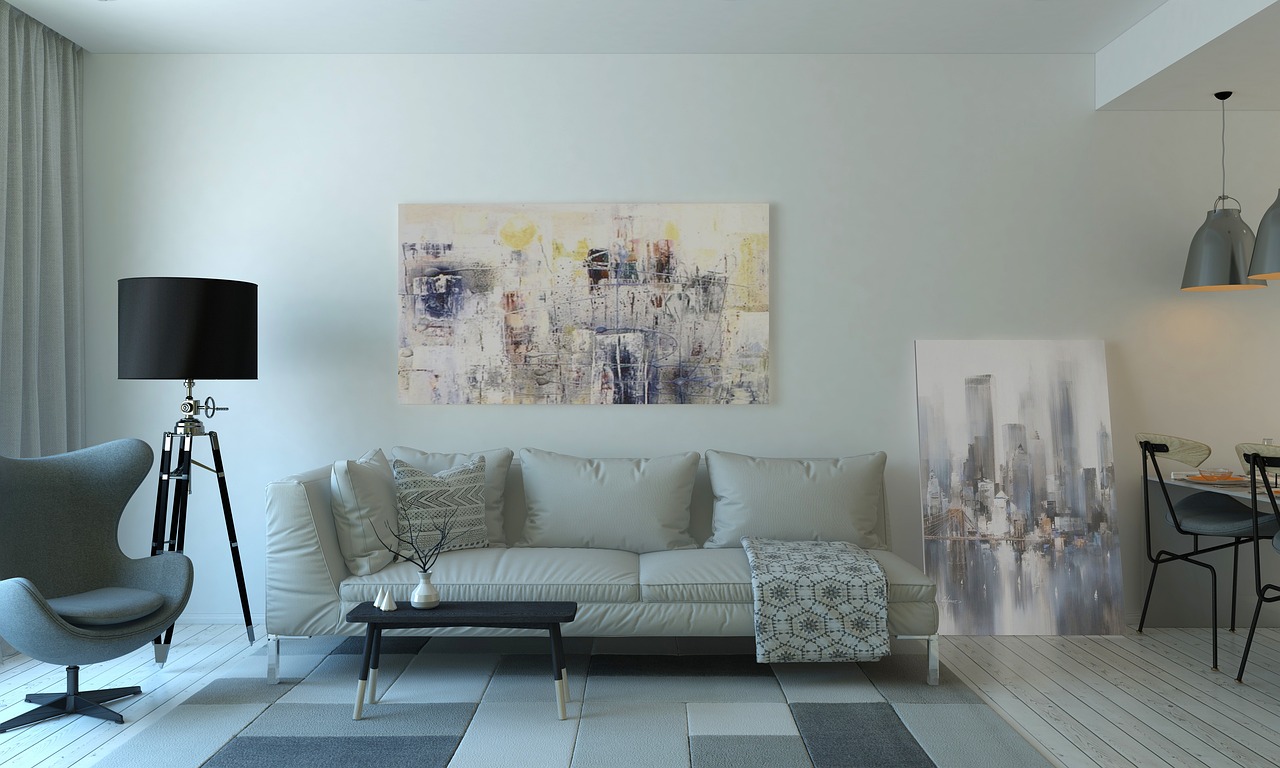
What Size Picture Light Should Be Best for My Artwork?
Choosing the right size picture light can feel like a puzzle, especially for someone who’s never done it before. It’s tempting to just grab something that looks nice, but there’s a bit more to it. Ideally, you want your fixture to be at least half the width of your artwork. Plus, you’ll need to think about how high to hang it. Too much light can wash out the beauty, while too little can leave your masterpiece in the shadows. So, what’s the magic number?
Key Takeaways
- Measure your artwork’s width and height to determine the appropriate picture light size, aiming for a light at least half the width of the artwork.
- Install the light 2 to 6 inches above the artwork to optimize illumination without obstructing the view.
- Angle the light at 30 to 35 degrees to reduce glare and effectively highlight artwork details.
- Choose brightness levels that enhance color vibrancy without overpowering the piece; consider dimmer switches for adjustments.
- Select light types—hardwired or plug-in—that complement your decor and allow for flexibility or permanence in installation.
Understanding Artwork Dimensions
When it comes to selecting the perfect picture light for artwork, understanding dimensions is like solving a fun puzzle.
First, it’s essential to measure just the artwork‘s width and height—leave out the frame unless you plan to light that too! A good rule of thumb is to choose a picture light that’s at least half the artwork’s width. This makes the piece pop.
Measure your artwork’s width and height, choosing a picture light at least half the width for that perfect glow!
For those tall or wide masterpieces, specialized picture lights can help cast a bright glow all around.
Remember, keeping an eye on dimensions guarantees the artwork truly shines. Additionally, considering durable materials when selecting frames or displays can enhance the overall appeal of your artwork.
So, whether you’re a budding artist or a casual admirer, think of dimensions as your art’s best friend, always helping it look its best!
Happy measuring!
Determining the Right Size Picture Light
Choosing the right size picture light can feel a bit like trying to find the perfect pair of shoes—too big, and it just looks silly; too small, and it’s not comfy at all!
To nail the ideal picture light size, start by measuring the width of your artwork. A good rule of thumb? Select a light that’s at least half that width. This guarantees your piece gets the spotlight it deserves without blinding viewers.
For taller artworks, go for a light that extends further from the wall—bye-bye, shadows! Don’t forget to input those exact dimensions into a lighting calculator. Additionally, ensure to consider the weight capacity of the fixture, as it should adequately support the lighting used to illuminate your artwork effectively.
Balancing your artwork with surrounding decor also adds to that picture-perfect vibe.
Installation Height and Positioning
Have you ever wondered about the best way to spotlight that stunning painting you just hung? The installation height of picture lights is vital. Ideally, they should be placed 2 to 6 inches above your artwork. This angle helps illuminate without drowning it in light.
Tilt your picture light at a 30 to 35-degree angle for the best effect. The beam of light should hit the center of the artwork, ideally at eye level. This positioning not only minimizes glare but also makes your stunning piece pop! Additionally, consider the installation quality of the light fixture, as it is crucial for effective performance and longevity.
Brightness Levels and Their Effects
Brightness levels in picture lights can really change the game when showcasing artwork. Choosing between a very bright or just slightly illuminated setting can enhance colors and details, making those masterpieces pop or adding a cozy vibe. Plus, the cool part? You can tweak the brightness anytime, so if your art needs a little boost or a soft touch, you’ve got options! Additionally, blackout curtains can play a significant role in controlling ambient lighting, providing a perfect backdrop that further enhances the visibility of your artwork.
Impact of Brightness Selection
When it comes to showcasing artwork, the choice of how bright the light should be can really change the game.
Selecting the right brightness level can transform dull colors into vibrant spectacles or make fine details pop like magic! Picture lights come in three brightness levels: very bright, medium bright, and slightly illuminated. Each one can dramatically alter how the art speaks to viewers.
For example, a very bright light can turn a quiet piece into a showstopper! Plus, users have the freedom to adjust the brightness after choosing a light size, offering endless possibilities. Additionally, carefully considering surface preparation before painting can enhance how light interacts with the artwork displayed.
Adjustability for Artistic Effects
Finding the perfect picture light isn’t just about slapping a bulb on the wall; it’s a whole experience! The adjustability for artistic effects, especially through brightness levels, plays a significant role in how your artwork looks.
Imagine revealing hidden details and vibrant colors simply by tweaking the brightness.
- Three brightness settings: very bright, medium bright, and slightly illuminated.
- Mood creation: Different levels set the atmosphere for any occasion.
- Ongoing customization: Adjust the light even after choosing the size.
- Balanced illumination: Complement your décor while showcasing art perfectly.
Tailoring the brightness not only makes your art pop but also personalizes your space! Additionally, consider using lighting with adjustable brightness levels, as this feature enhances the overall experience by allowing for soft illumination that complements your artwork beautifully.
Types of Picture Lights: Hardwired vs. Plug-in
When it comes to choosing between hardwired and plug-in picture lights, it’s like picking between a cozy sweater and a stylish jacket—each has its perks! Hardwired lights make for a neat, polished look, perfect for those who want a more permanent setup, while plug-in options let you play musical chairs with your artwork, moving them around as you please. Plus, with so many designs available, from sleek and simple to eye-catching and bold, there’s no need to sacrifice style, no matter how you light your masterpiece! Additionally, consider the material durability of the picture light to ensure it complements the longevity of your artwork’s presentation.
Installation Process Comparison
Choosing the right picture light can feel a bit like a treasure hunt, especially when deciding between hardwired and plug-in options. The installation process can make a big difference in your choice:
- Hardwired lights: These need an electrician and are permanently wired into your home. They look sleek without cords but require commitment.
- Plug-in lights: No special tools or help needed! You can set them up quickly and move them around if you change your mind.
- Frame-mounted options: Often plug-in, they bring ultimate versatility for different artworks.
- Dimmer switches: Both types can benefit from these, giving you control over lighting and mood. Additionally, consider adhesive strength when selecting your picture light to ensure secure installation on various surfaces.
Flexibility in Placement
Whether someone is a seasoned decorator or just dipping their toes into the world of art display, the flexibility in placement of picture lights can be a game changer.
Hardwired picture lights are great for those majestic pieces that deserve a permanent spotlight. They work like a charm with wall switches, seamlessly illuminating artwork.
On the flip side, plug-in picture lights offer incredible versatility. They easily attach to existing outlets and can even mount directly to frames, making it simple to change up the display whenever inspiration strikes!
Plus, both types come in various designs, ensuring they fit any style. Choosing picture lights that resemble the finishes of your decor, such as high-quality finishes like matte black or antique bronze, can enhance your overall aesthetic.
Aesthetic Considerations
Picture lights can really transform the way artwork shines in any room, so it’s essential to think about the style match-up between hardwired and plug-in options.
When considering aesthetic factors, look at these features:
- Hardwired lights create a clean look without visible cords.
- Plug-in lights offer flexibility for easy repositioning.
- Hardwired fixtures often provide powerful light output through wall switches, perfect for big art.
- Plug-in options can connect with smart home apps for convenient control.
Choosing the right type depends on whether you prefer a locked-in installation or something you can easily shift. Additionally, investing time in research ensures you select durable materials that enhance the longevity of your picture lighting.
Either way, the right choice will elevate your artwork, shining a spotlight on your cherished pieces and enhancing your space!
Creative Uses for Picture Lights
Adding a few picture lights can transform any space into an inviting gallery!
Picture lights aren’t just for artwork; they can work wonders on cabinetry and floating shelves too. Imagine shining a light on your favorite books or quirky collectibles, making them pop!
Now, if you have mirrors, place lights above them to add depth—suddenly, your room feels bigger and brighter.
For those proud of their gallery walls, multiple picture lights create a vibrant rhythm, highlighting each piece like an art critic on a caffeine rush.
Need to showcase a bulletin board? Picture lights make notes and memories shine!
Plus, by spotlighting focal points, lights harmonize the entire decor, adding a magical touch to any room without breaking a sweat.
Aesthetic Considerations for Picture Lighting
When it comes to illuminating artwork, selecting the right picture light can feel a bit like finding the perfect pair of shoes—there’s a fit for every look, but not all pairs will make you strut with confidence. A keen eye for aesthetics is essential.
To craft a chic vignette, picture lights should complement surrounding decor, while finishes like polished nickel or brass add timeless appeal. Slim-line designs keep focus on the art itself.
- Choose a finish that harmonizes with your room.
- Think of how the light’s height and angle can elevate the artwork.
- Personal stories can inspire unique light choices.
- Opt for subtle designs that won’t steal the spotlight.
In the end, it’s about amplifying the artwork’s allure!
Optimizing Light Placement for Maximum Impact
To truly make artwork shine, one must consider how the light is placed, almost like setting up the perfect stage for a dazzling performance.
Position the picture light 2-6 inches above the artwork to center that glorious beam of illumination just right. Tilting it at a 30 to 35-degree angle means less glare and fewer harsh shadows—who wants their art to look moody? Aim the light at eye level; after all, that’s where the magic happens!
For larger pieces, lights that extend from the wall help cover more ground. And remember, life changes! Reassess the light placement regularly to keep that artwork glowing. A little adjustment can turn good into spectacular—it’s like giving your piece a fabulous makeover!
Customer Support for Customized Solutions
How can anyone truly appreciate their beloved artwork without the perfect lighting to showcase it?
Lightology offers exceptional customer support for customized solutions tailored specifically to individual needs. Their expert team excels in helping clients choose the right picture lights for different dimensions and shapes.
Lightology provides outstanding customer support, assisting clients in selecting perfect picture lights tailored to their unique artwork dimensions and styles.
- Reach out with questions about large or unusual artwork
- Get personalized lighting recommendations to enhance visibility
- Clarify any doubts about light compatibility
- Navigate various options for a more tailored experience
With such support, buyers can feel confident that their cherished photos and artwork will shine brightly.
After all, who doesn’t want their masterpiece to look like it belongs in a gallery? That’s a win-win in any art lover’s book!
Frequently Asked Questions
What Size Picture Light for Art?
For ideal light placement, a picture light should measure at least half the width of the artwork. Selecting the appropriate size guarantees effective illumination, enhancing visibility while avoiding overpowering the piece and minimizing glare.
What Is the Rule of Thumb for Picture Light?
In the days of yore, a common rule of thumb for picture light dictated that fixtures should be half the artwork’s width, utilizing effective lighting techniques to enhance visibility and aesthetic appeal.
What Is the Best Lighting for Artwork?
The best lighting for artwork involves employing effective lighting techniques, like using low-wattage LED bulbs around 2,700K, centered 2-6 inches above the piece, angled at 30 to 35 degrees for ideal illumination.
How Big Should a Picture Light Be Relative to the Picture?
For ideal light placement, a picture light should span at least half the artwork’s width, enhancing illumination and creating intriguing contrasts. Larger pieces may necessitate extended lighting to encase every detail without shadowing.
Conclusion
In wrapping up the picture light puzzle, finding the right size is like dressing your artwork in the perfect outfit—it just makes it shine! Remember to measure and position wisely, ensuring every corner of your masterpiece glows. Whether you go hardwired or plug-in, the right light can transform your piece from ordinary to extraordinary, like magic! So grab that measuring tape, channel your inner artist, and let your artwork bask in its well-deserved spotlight!