
Removable Wallpaper: A Versatile and Easy Decorating Solution
Removable wallpaper offers a flexible and accessible way to transform interior spaces without the long-term commitment of traditional wallpaper. It’s a peel-and-stick product designed for temporary application, making it ideal for renters, frequent redecorators, or those experimenting with bold designs.## Understanding What is Removable Wallpaper
At its core, what is removable wallpaper? It’s a type of wall covering that adheres to surfaces using a repositionable adhesive, typically a water-based or vinyl adhesive. Unlike conventional wallpaper that requires paste and can cause damage upon removal, removable versions are engineered to detach cleanly, often in large sheets, leaving the underlying wall intact. This characteristic is its primary differentiator, offering a departure from the permanence of older wall treatments.
The construction usually involves a vinyl or fabric-like material for the decorative layer, backed by a pressure-sensitive adhesive. This adhesive is formulated to bond securely for long-term display but weakly enough to allow for removal without significant effort or wall damage. The thickness and texture can vary widely, from thin, matte finishes to thicker, more textured options mimicking linen or grasscloth. For instance, brands like Tempaper or Chasing Paper offer a range of textures and patterns, from subtle geometrics to vibrant murals, each with slightly different adhesive properties.
What is Removable Wallpaper: The Mechanism Behind Its Adhesion
The adhesive technology is key to what is removable wallpaper and its functionality. This isn’t just about sticking it on; it’s about controlled adhesion. The adhesive is designed to create a bond that is strong enough to prevent peeling or sagging under normal conditions but can be released with a gentle pull. This is typically achieved through a combination of adhesive formulation and the material’s flexibility.
Removable wallpaper isn’t just for walls; it can also be a fantastic way to add personality to doors. Consider exploring some creative door mural ideas to make a unique statement in your home.
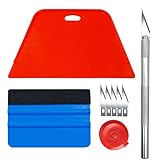
- 【Set of basic tools】: Package includes craft art knife with 5 replaceable blades, red smoother, blue smoother with soft felt, measuring tape
- 【Tools’ function】:Red and blue squeegee work well when smoothing out bubbles,creases and gaps, these tools can help you creating a seamless and professional look for your project
- 【A versatile tool kit】:Suitable for application of all types of wallpaper and stick on vinyl backsplash tile, trimming ceiling, woodwork or baseboard projects, vinyl wrap, window tint or glass film
- 【Well designed】:These tools have proven to be a good supplement of DIY projects, they are handy, portable, easy and safe to use, work great for all the jobs
- 【Warning】:It’s for adult use only. Knife is very sharp, keep out of the reach of children in case that it hurts them
When you press the wallpaper onto a clean, smooth surface, the adhesive spreads and conforms. The initial tack allows for repositioning during application, a significant advantage over traditional methods. For removal, pulling the paper at a low angle (often 180 degrees, parallel to the wall) helps break the adhesive bond without tearing the paper or damaging the paint underneath. This controlled release mechanism is a departure from the aggressive pastes used in traditional wallpapering.
Counterpoint: The Illusion of Universality
While often presented as a foolproof solution, the “removable” aspect is not absolute. The performance is heavily dependent on several factors that can lead to disappointment if not considered, challenging the assumption that it’s a universally simple application.
- Wall Surface Condition: The most critical variable. Removable wallpaper adheres best to smooth, well-primed, and non-porous surfaces. Walls with heavy texture (like orange peel or knockdown finishes), uneven paint, or a matte finish prone to chalking can compromise adhesion and removal. For example, applying a smooth vinyl removable wallpaper over a heavily textured wall will result in air pockets and a poor aesthetic, and removal might pull off loose paint particles.
- Adhesive Degradation: Over time, especially in environments with high humidity or temperature fluctuations, the adhesive can degrade. This can lead to peeling edges or, conversely, make removal more difficult as the adhesive cures or becomes brittle. High-moisture areas like bathrooms or kitchens without adequate ventilation are particularly susceptible.
- Removal Technique: Improper removal—pulling too quickly, at the wrong angle, or when the adhesive has bonded too strongly due to environmental factors—can still cause minor paint damage. The adhesive is designed for clean removal, but it’s not indestructible.
While removable wallpaper can be used in bathrooms, it’s crucial to consider the moisture levels. For your next refresh, check out some of the latest bathroom decor ideas for 2024 that incorporate moisture-resistant options.
No products found.
Expert Tips for Successful Removable Wallpaper Installation
To maximize the benefits of removable wallpaper and avoid common pitfalls, consider these practical recommendations, drawing from professional insights.
1. Surface Preparation is Non-Negotiable:
- Actionable Step: Thoroughly clean your walls with a mild detergent and water, then allow them to dry completely. Ensure any existing paint is smooth and intact. If painting a new wall, use a high-quality primer (like a satin or semi-gloss finish, which are less porous) and allow it to cure for at least 48 hours. For very slick surfaces, a light scuff sanding can improve adhesion.
- Common Mistake to Avoid: Applying wallpaper over dusty, greasy, or uneven surfaces. This will lead to poor adhesion, bubbles, and potential damage upon removal. For instance, failing to wipe down a kitchen wall after cooking will leave grease residue, preventing the wallpaper from sticking properly.
2. Test the Adhesive in an Inconspicuous Area:
- Actionable Step: Before committing to a large installation, apply a small swatch of the wallpaper to a hidden spot (e.g., inside a closet or behind a piece of furniture). Leave it for a week, then attempt to remove it to gauge adhesion and ease of removal. Note any residue or paint transfer.
- Common Mistake to Avoid: Assuming all removable wallpapers perform identically or that your specific wall surface will be compatible without testing. Different brands and even different product lines within a brand can have varying adhesive strengths and material compositions.
When testing adhesives, think about the overall aesthetic you’re aiming for. If you’re looking to create a serene retreat, exploring silver bedroom decor ideas can offer a sophisticated and calming palette.
No products found.
3. Plan Your Layout and Seams Meticulously:
- Actionable Step: Measure your walls precisely and order enough material, accounting for pattern repeat and a 10-15% buffer for errors or future repairs. Lay out your panels on a large, clean floor to visualize the pattern flow and identify where seams will fall. Consider using a level and pencil to mark horizontal guidelines on the wall.
- Common Mistake to Avoid: Rushing the installation and creating misaligned patterns or visible, poorly placed seams. This detracts from the aesthetic and can make removal more challenging if panels overlap incorrectly. For example, a misaligned floral pattern can look jarring and unprofessional.
BLOCKQUOTE_0
Common Myths About Removable Wallpaper
Several misconceptions surround removable wallpaper, often leading to incorrect expectations or application issues, which can be debunked with a closer look at the product’s engineering.
- Myth 1: Removable wallpaper is suitable for all wall surfaces.
- Correction: This is untrue. While it’s designed for most smooth, painted interior walls, heavily textured surfaces, unfinished drywall, or walls with peeling paint are not ideal. The adhesive needs a consistent, non-porous surface to bond effectively and release cleanly. For textured walls, consider smoothing them first or opting for a different wall treatment like paint or a more robust wallpaper designed for textured surfaces. The surface texture can interfere with the adhesive’s ability to create a continuous bond, leading to lifting and premature failure.
For areas prone to moisture like bathrooms, it’s important to choose materials wisely. Beyond wallpaper, consider functional elements like a specific-sized shower curtain, such as a 36 x 72, to complement your bathroom’s design.
No products found.
- Myth 2: It’s always easy to remove without any damage.
- Correction: While the goal is clean removal, “easy” is subjective and depends on wall condition, installation duration, and environmental factors. In some cases, particularly on freshly painted walls (less than 30 days old) or walls with low-quality paint, some minor paint transfer or minor damage to the paint layer might occur. Always test in an inconspicuous area first. The bond strength can increase over time, making removal more challenging.
A Comparison of Removable Wallpaper Types
| Feature | Vinyl-Based Removable Wallpaper | Fabric-Based Removable Wallpaper |
|---|---|---|
| Adhesion | Stronger, more durable bond | Moderate, often more forgiving |
| Texture | Smooth, often matte or satin | Can mimic natural fibers, more tactile |
| Durability | Highly washable, resistant to moisture | Less resistant to moisture, may snag |
| Application | Can be more forgiving with repositioning | May require more precise alignment |
| Cost | Generally more affordable | Typically higher price point |
| Best For | High-traffic areas, kitchens, bathrooms | Bedrooms, living rooms, accent walls |
Frequently Asked Questions
Q: Can I use removable wallpaper in a bathroom?
A: Yes, but with caution. Opt for vinyl-based options as they are more resistant to moisture and humidity. Ensure good ventilation in the bathroom to prevent long-term adhesive issues. Avoid direct water spray on the seams.
Q: How long does removable wallpaper typically last?
A: When applied correctly to a suitable surface, removable wallpaper can last anywhere from one to several years. However, factors like direct sunlight exposure, extreme temperature changes, and humidity can affect its longevity. Manufacturers typically provide an estimated lifespan, but actual performance can vary.
Q: What’s the best way to clean removable wallpaper?
A: For most vinyl-based removable wallpapers, a soft, damp cloth with a mild soap solution is usually sufficient. Avoid abrasive cleaners or excessive scrubbing, which can damage the print or the material itself. Always test cleaning methods in a small, hidden area first. For fabric-based wallpapers, dry dusting is often recommended.